 Türkçe
 Deutsch

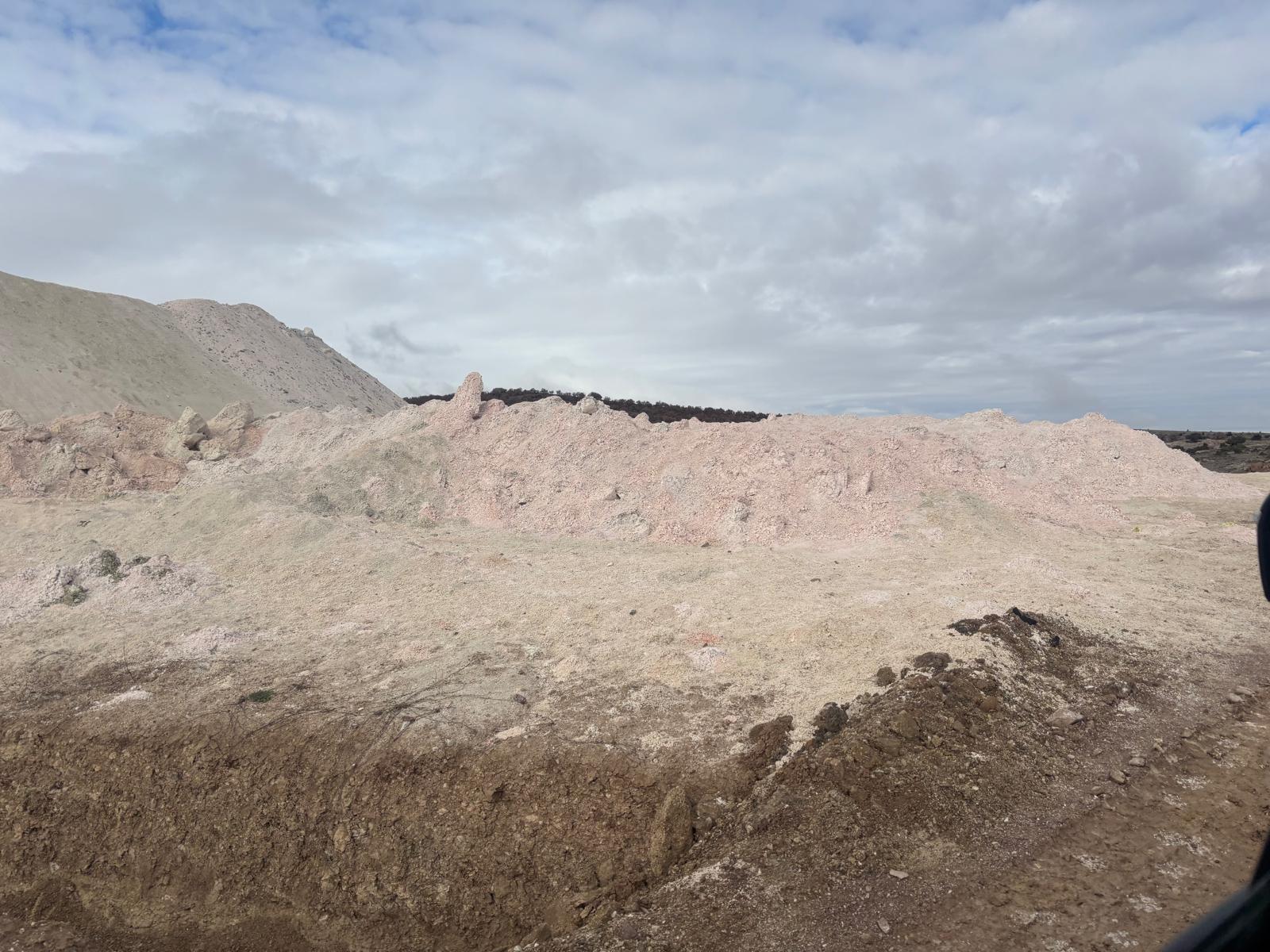
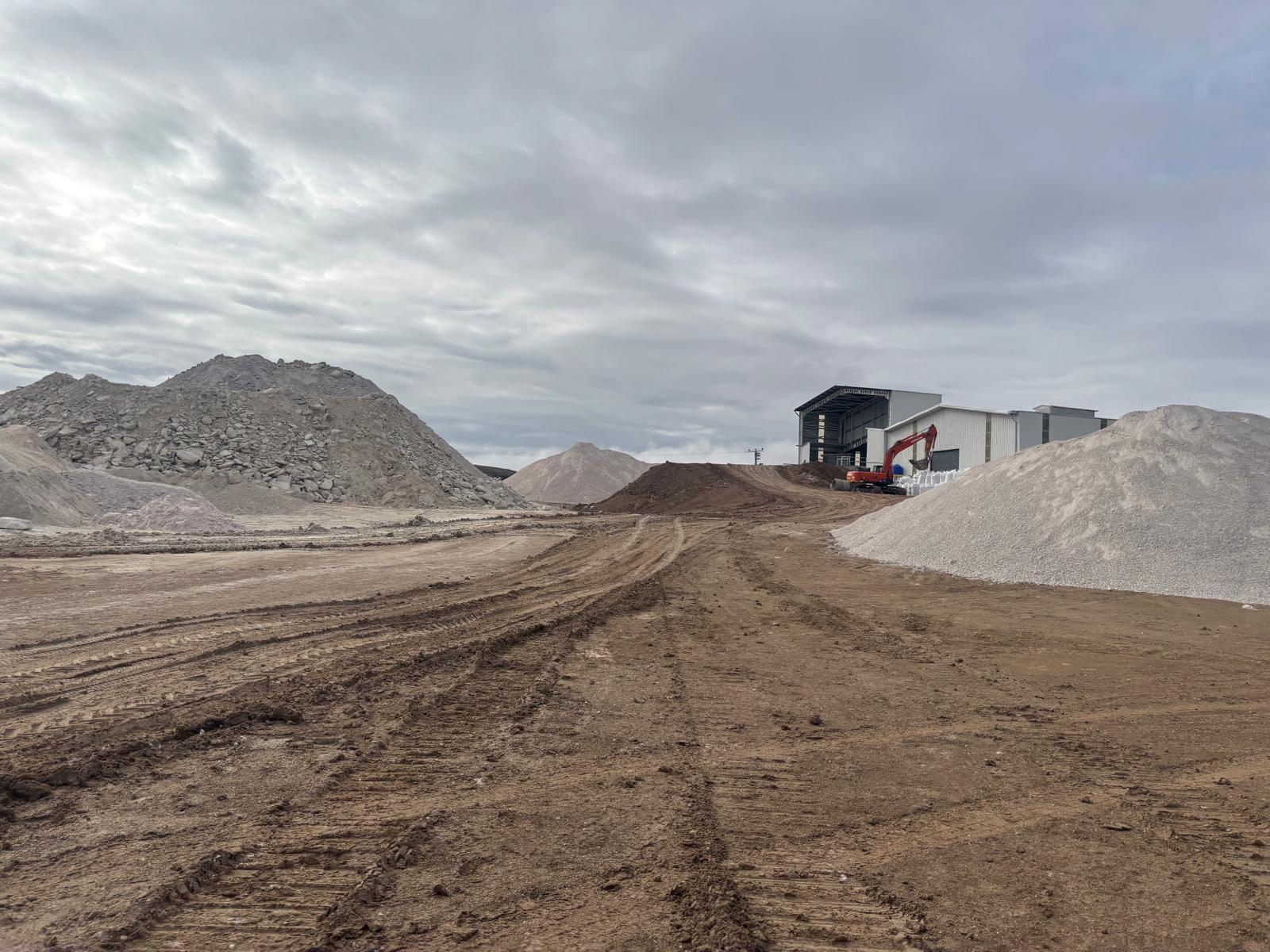
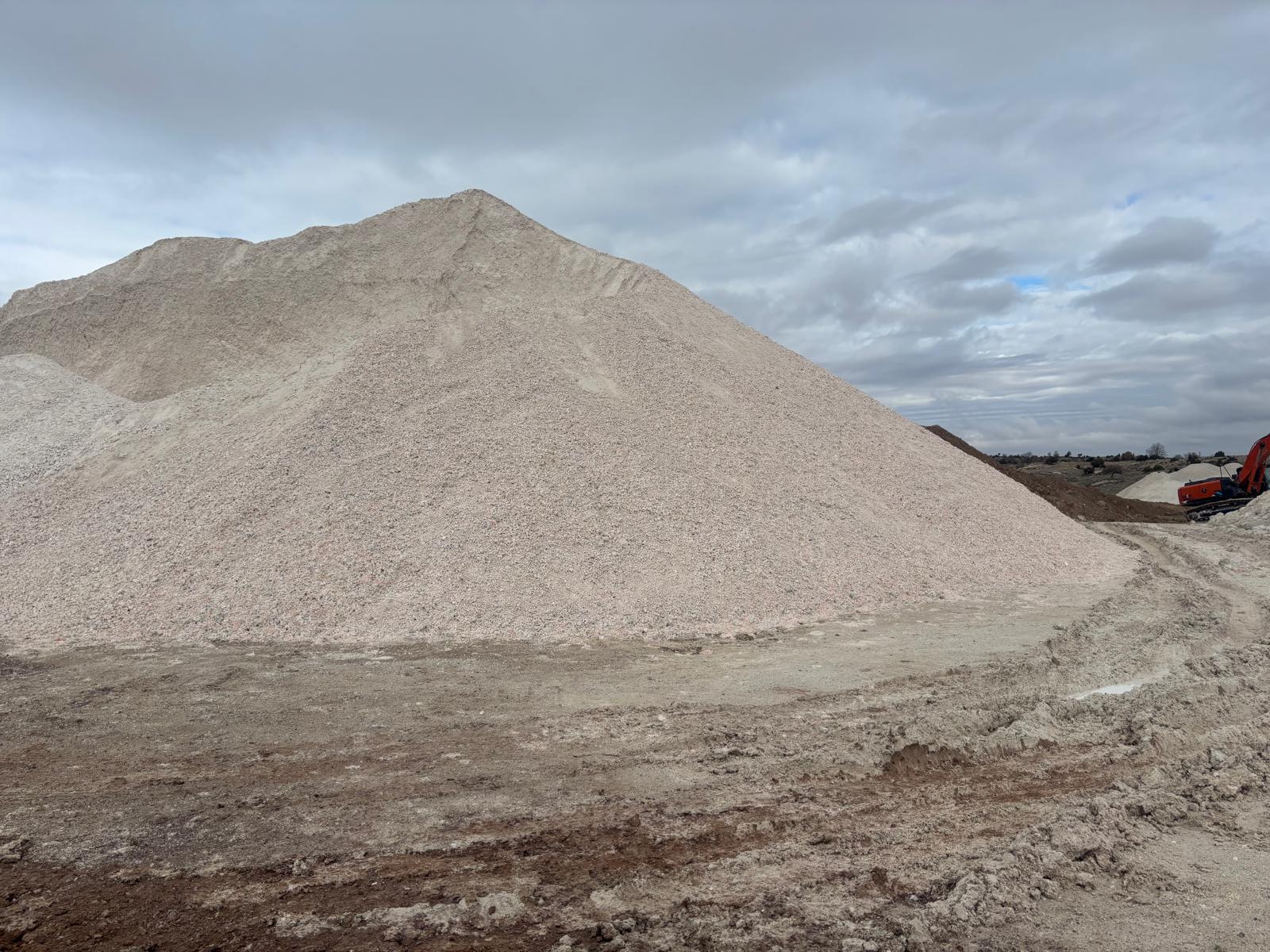
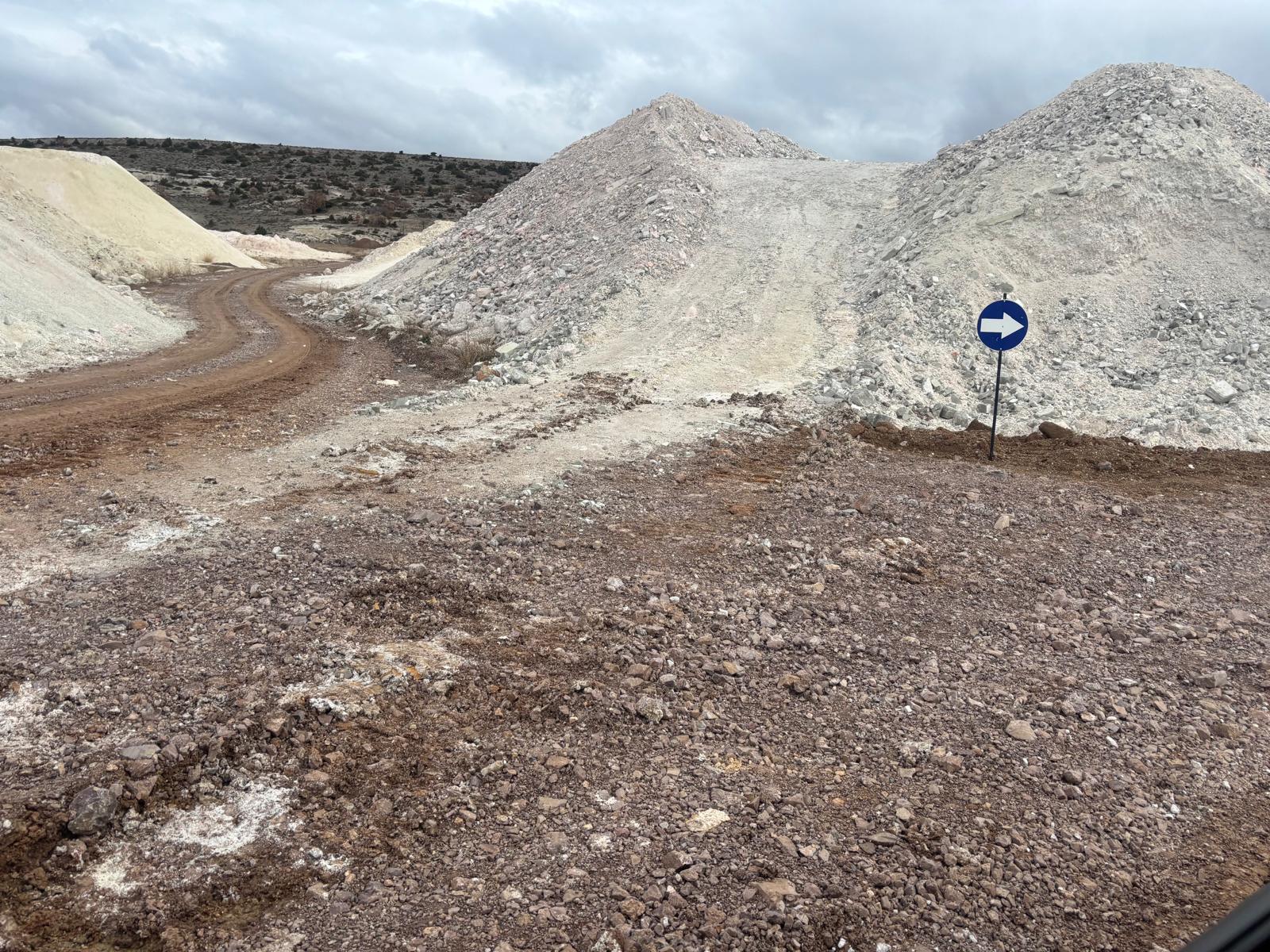

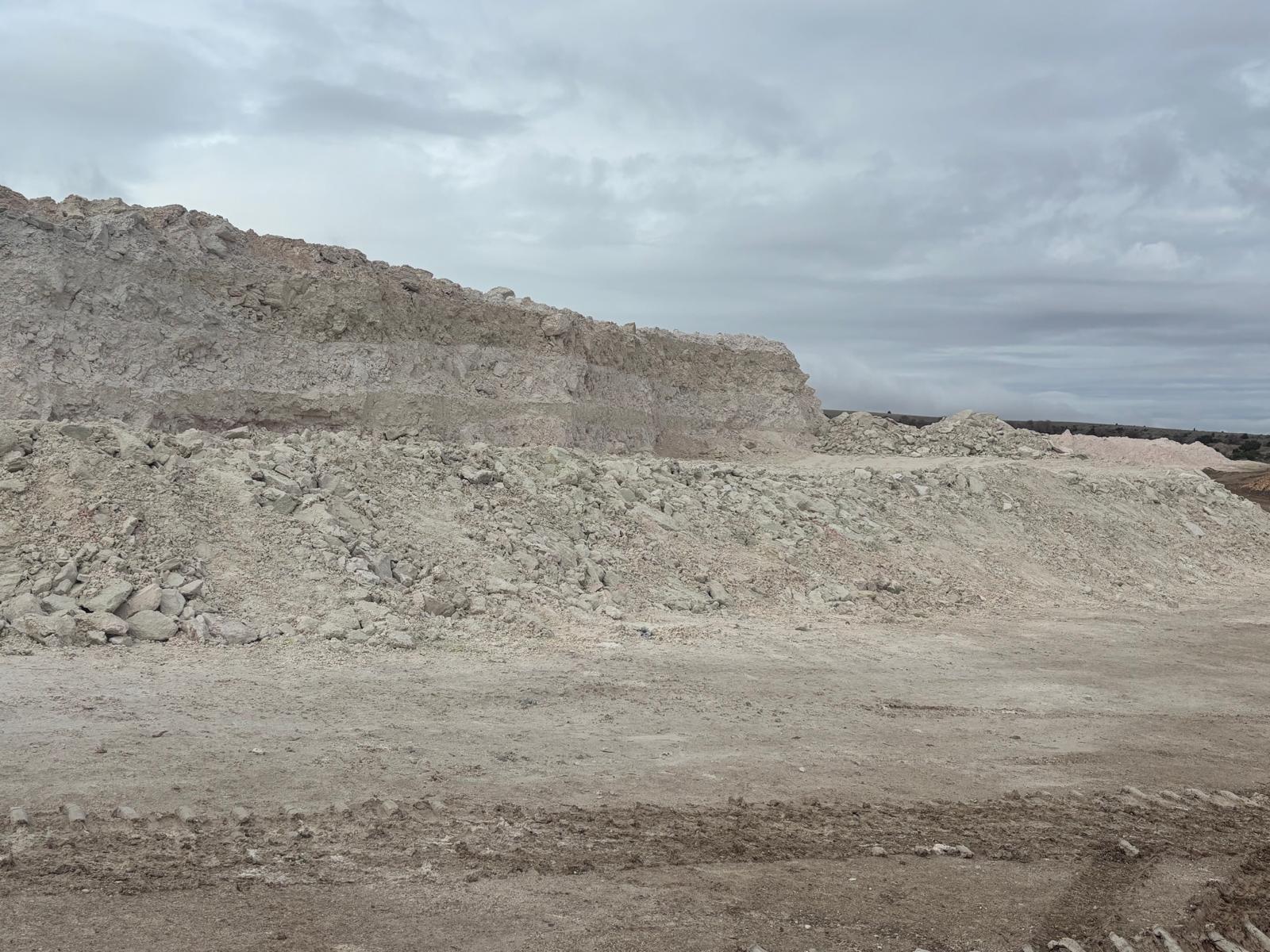
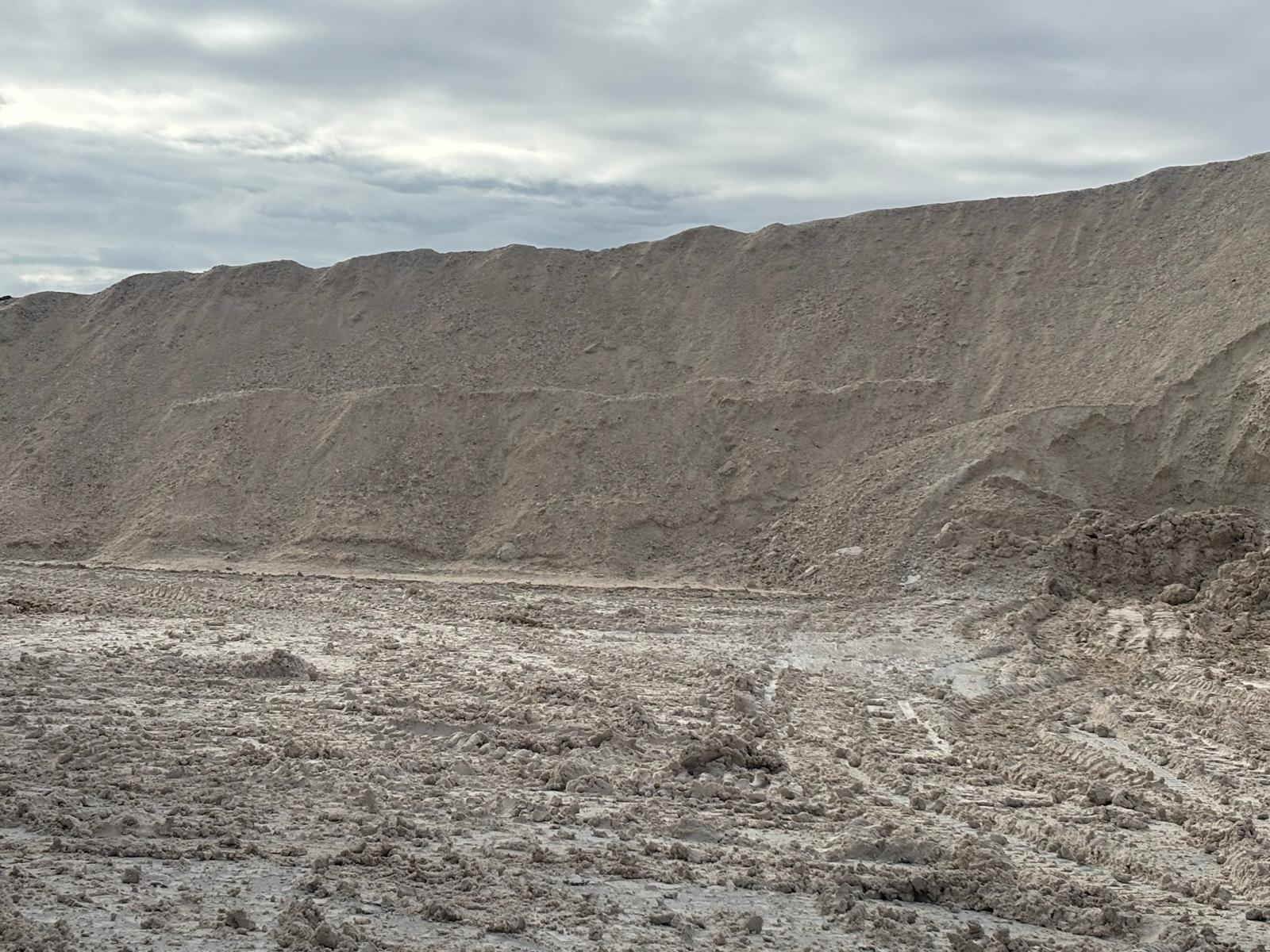

BT-1 is a carefully composed white bentonite grade for the ceramic industry. It is based on selected material from an established bentonite source in Türkiye. Qualities from different, characterised mining zones are deliberately blended according to their mineralogical and functional properties.
This is one of the key strengths of BT-1. The natural characteristics of the individual zones are used to achieve a consistent ceramic product profile combining high montmorillonite content, strong cation exchange capacity, good swelling and binding behaviour, stable rheology, low iron and a light firing colour.
BT-1 has been used successfully in the ceramics industry for years and is one of our best-selling export products. Its quality is firmly established in the market even outside Turkey, and it is regularly supplied to ceramics customers in various international markets, including India and Vietnam.
Product Profile
BT-1 is intended for ceramic formulations where several properties need to be considered together: plasticity, green strength, suspension stability, rheology and firing colour.
Its high montmorillonite content provides strong binding and plasticity. At the same time, low Fe₂O₃ and TiO₂ levels together with good firing colour make the material suitable for light-coloured ceramic bodies.
BT-1 is therefore particularly relevant where both process stability and colour control are required.
Technical Benefits
Even relatively low bentonite additions can significantly influence the behaviour of a ceramic body. BT-1 can improve plasticity and formability, increase green strength, support particle bonding, stabilise ceramic suspensions and help control rheology.
For light-coloured ceramics, firing colour is equally important. BT-1 therefore combines the classical binding and plasticity functions of bentonite with comparatively low iron and titanium levels.
The optimum dosage depends on the individual formulation, other clay minerals and feldspars, solids content, additives and the production and firing process.
Industries
Ceramic tiles · Porcelain and fine ceramics · Sanitaryware · Engobes and glazes · Ceramic body and raw-material preparation
Typical Applications
BT-1 is used as a plasticity and binding component in ceramic bodies, to improve green strength, stabilise ceramic suspensions and adjust the rheology of slips.
Other applications include wall and floor tiles, light-coloured ceramic bodies, porcelain, sanitaryware, engobes and glazes, as well as other ceramic formulations where colour and processing behaviour must be considered together.
Mineralogical and Functional Properties
| Parameter | Typical Value |
|---|---|
| Montmorillonite | ≥ 85% |
| Cristobalite / Opal | ≤ 15% |
| Plagioclase | Trace |
| CEC | 86 ± 5 meq/100 g |
| Swelling | 25 ± 2 ml/2 g |
| pH, 8% solids | 8.5 ± 0.5 |
| Moisture, raw material | 20 ± 2% |
Typical Chemical Analysis
| Oxide | Typical Value |
|---|---|
| SiO₂ | 71.10 ± 1.00% |
| Al₂O₃ | 12.35 ± 0.50% |
| Fe₂O₃ | 0.85 ± 0.10% |
| TiO₂ | 0.22 ± 0.02% |
| CaO | 1.17 ± 0.02% |
| MgO | 1.25 ± 0.25% |
| Na₂O | 0.00 ± 0.01% |
| K₂O | 0.23 ± 0.01% |
| SO₃ | 0.01 ± 0.01% |
| LOI | 12.69 ± 0.65% |
Colour Properties
| Condition | L* | a* | b* |
|---|---|---|---|
| Raw colour | 94.0 ± 2.0 | 0.5 ± 0.2 | 3.4 ± 0.5 |
| Fired at 1220°C | 90.0 ± 2.0 | 0.1 ± 0.2 | 8.5 ± 2.0 |
For light-coloured ceramic applications, raw colour alone is not sufficient. The behaviour after firing is equally important. The combination of low iron and titanium with a light fired colour is therefore one of the main characteristics of BT-1.
Milled Grade – Typical Particle Size
Typical values for milled BT-1 are:
| Particle Size Parameter | Typical Value |
|---|---|
| D20 | approx. 2.2 µm |
| D50 | approx. 5.2 µm |
| D80 | approx. 18 µm |
| D98 | approx. 60 µm |
In addition to lump material, a fine milled grade is therefore available for processes requiring direct dosing or controlled particle size.
Raw Material Basis & Quality Control
BT-1 is based on carefully selected material from an established bentonite source in Türkiye.
Its particular strength does not come from relying on one individual mining batch. Different characterised sections of the deposit provide distinct mineralogical and functional properties. Selected qualities are combined to create the defined BT-1 profile.
Natural variation is therefore not simply accepted as an unavoidable fluctuation. It is managed through selective raw-material use in order to maintain a balanced and consistent profile for rheology, swelling behaviour, binding performance, iron content and firing colour.
BT-1 is not an artificially manufactured mineral mixture, but a controlled bentonite formulation based on an established natural raw-material source.
Supply Forms & Logistics
BT-1 is available as raw lump material below approximately 70 mm and as a milled grade.
Depending on the customer’s process and order volume, supply is available in bulk, big bags or containers.
A typical container loading for the milled grade may consist of 20 big bags of approximately 1,350 kg each, giving a total load of approximately 27 tonnes.
Origin: Türkiye · Export: international, including India and Vietnam · Documentation: TDS, SDS/MSDS and batch-specific analyses available on request
Technical Qualification
A ceramic bentonite should not be selected solely on the basis of montmorillonite content or one chemical analysis.
Its behaviour in the actual ceramic formulation is decisive. Depending on the application, plasticity, rheology, green strength, water demand, shrinkage, warpage, raw colour and firing colour should be evaluated.
BT-1 is a long-established and internationally exported bentonite formulation. For new formulations, however, the optimum dosage should still be confirmed in the customer’s own body and firing cycle.